Colorado Civil Rights Violations Attorneys
How people hold the government accountable when it violates their rights.
Civil rights law is how people hold the government accountable.
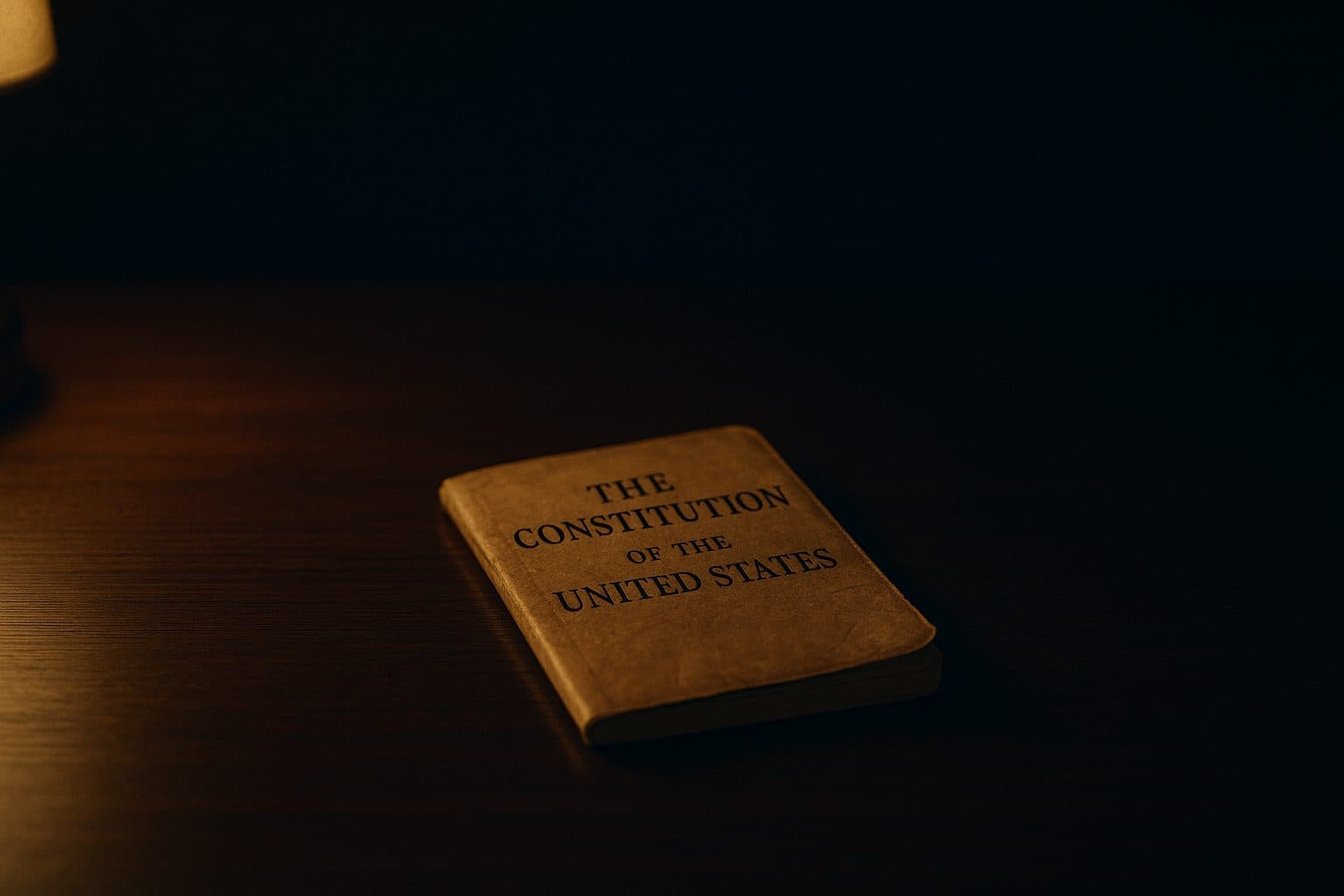
Civil rights law exists because the Constitution's promises mean nothing if there is no way to enforce them. The main tool is 42 U.S.C. § 1983, a federal statute that lets people sue state and local officials — police officers, sheriffs, jails, and the governments that employ them — when they violate constitutional rights. Section 1983 covers a wide range of misconduct: excessive force, false arrest, unlawful searches, denial of medical care in custody, and retaliation for protected speech.
Colorado gives victims an additional, powerful tool. In 2020, the state passed the Law Enforcement Integrity Act, codified at C.R.S. § 13-21-131, which created a state cause of action against peace officers who violate rights under the Colorado Constitution. Crucially, that law does not allow qualified immunity as a defense in state court — removing one of the biggest obstacles civil rights plaintiffs face in the federal system.
Holding a government entity itself liable — not just an individual officer — usually requires showing that the violation resulted from an official policy, custom, or failure to train, the standard set in Monell v. Department of Social Services. Proving that takes investigation into patterns, training records, and how a department actually operates. It is some of the most important work in a civil rights case, because it is how systemic problems get fixed.
If you are not sure whether what happened to you is a civil rights violation, that is exactly the kind of question we answer every day. Many of the strongest cases we have handled started with someone who simply felt that something was wrong.
Civil rights matters we handle
- Excessive force and police brutality
- False arrest and malicious prosecution
- Illegal searches and seizures
- Jail and prison medical neglect
- First Amendment retaliation
- Wrongful death and in-custody death
The right firm for a civil rights case in Colorado.
Trial-First Practice
We prepare every case as if it will be tried. That preparation is what makes opposing counsel — and insurers — take our clients seriously.
Federal Civil Rights Focus
Section 1983 cases live or die in federal court. We know the U.S. District Court for the District of Colorado, its judges, and the qualified-immunity landscape.
Contingency Fee
You pay nothing up front. We only get paid if we recover money for you, and initial consultations are free and explained in writing.
How We Handle Your Case, Step by Step
- 01
Consultation
A free, confidential conversation to understand what happened and what you hope to accomplish.
- 02
Investigation
We preserve footage, gather records, interview witnesses, and consult experts to build the factual record.
- 03
Demand & Negotiation
We present the case to opposing counsel and pursue resolution where the facts support one.
- 04
Litigation
If a fair settlement is not on the table, we file in federal court and prepare the case for trial.
Civil Rights Violations questions answered.

Jason Kosloski
Every civil rights violations case is handled directly by an attorney — not a case manager or intake service.
Meet Jason →Where we handle civil rights violations cases
Kosloski Law represents clients in every corner of Colorado — and some of the most important civil rights cases come from its smallest counties. Federal civil rights cases from anywhere in the state are litigated in the U.S. District Court in Denver, so wherever you are, you get the same firm and the same fight.