Colorado First Amendment Retaliation Attorneys
You have the right to speak, protest, and record — without government payback.
You have the right to speak, protest, and record — without government payback.
The First Amendment protects your right to speak, to protest, to criticize the government, and — as courts across the country have recognized — to record police officers performing their duties in public. When a government official retaliates against you for exercising those rights by arresting you, citing you, using force, or otherwise punishing you, that retaliation can itself be a constitutional violation.
To prove First Amendment retaliation, you generally have to show that you engaged in protected activity, that the government took an adverse action that would deter an ordinary person from continuing, and that your protected activity was a substantial motivating factor for what they did. Retaliatory arrests are a common example, and while the existence of probable cause can complicate these claims, it does not always defeat them — especially where there is evidence that police single people out for their speech.
These cases arise at protests, traffic stops, city council meetings, and anywhere people record or criticize police. They are brought under 42 U.S.C. § 1983 and, in Colorado, may also be pursued under C.R.S. § 13-21-131. Video evidence, the timing of the government's action, and statements by the officials involved are often decisive.
Retaliation cases protect more than one person's rights — they protect everyone's ability to hold government accountable. That is part of why the law allows successful plaintiffs to recover their attorney's fees.
Retaliation cases we handle
- Retaliatory arrests or citations for speech
- Force or threats for recording police
- Punishment for protesting or demonstrating
- Retaliation for criticizing officials or filing complaints
- Seizure of phones or cameras used to record police
- Ejection from public meetings for protected speech
The right firm for a civil rights case in Colorado.
Trial-First Practice
We prepare every case as if it will be tried. That preparation is what makes opposing counsel — and insurers — take our clients seriously.
Federal Civil Rights Focus
Section 1983 cases live or die in federal court. We know the U.S. District Court for the District of Colorado, its judges, and the qualified-immunity landscape.
Contingency Fee
You pay nothing up front. We only get paid if we recover money for you, and initial consultations are free and explained in writing.
How We Handle Your Case, Step by Step
- 01
Consultation
A free, confidential conversation to understand what happened and what you hope to accomplish.
- 02
Investigation
We preserve footage, gather records, interview witnesses, and consult experts to build the factual record.
- 03
Demand & Negotiation
We present the case to opposing counsel and pursue resolution where the facts support one.
- 04
Litigation
If a fair settlement is not on the table, we file in federal court and prepare the case for trial.
First Amendment Retaliation questions answered.
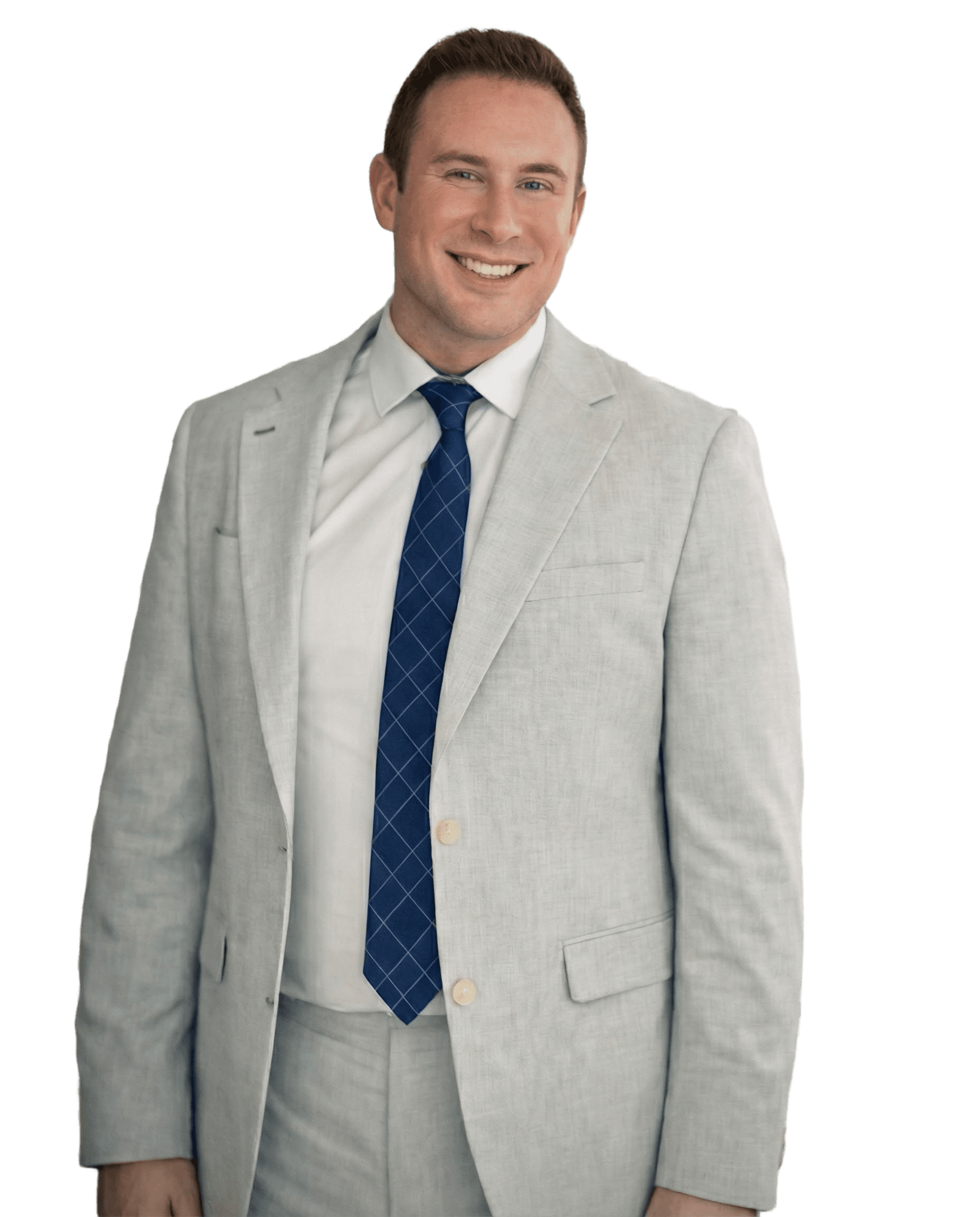
Jason Kosloski
Every first amendment retaliation case is handled directly by an attorney — not a case manager or intake service.
Meet Jason →Where we handle first amendment retaliation cases
Kosloski Law represents clients in every corner of Colorado — and some of the most important civil rights cases come from its smallest counties. Federal civil rights cases from anywhere in the state are litigated in the U.S. District Court in Denver, so wherever you are, you get the same firm and the same fight.